

“A customer came back claiming we damaged his rims during a tire mount. Because we had photos from before the service showing the pre-existing curb rash, we avoided a $1,200 dispute.”
Warranty claims and service comebacks are an unavoidable part of running a tire shop. Tires fail, mistakes happen, and customers sometimes return with complaints — legitimate or not. The shops that handle these situations well keep their customers and protect their margins. The shops that handle them poorly lose money, lose customers, and damage their reputation.
The key is having a system that prevents the most common issues, documents everything for the cases that do arise, and handles customer complaints in a way that builds trust rather than destroying it. Shop Profits provides the documentation and tracking tools that make warranty management straightforward — every service is logged with detailed records that protect both you and the customer.

1. Prevention: Most Comebacks Are Preventable
The majority of service comebacks happen because of skipped steps, not lack of skill. A tech who forgets to reset the TPMS system, does not torque lug nuts to spec, or misses a slow leak during mounting creates a comeback that costs the shop time, money, and credibility.
Build a mandatory service checklist for every job type. Tire installation should include: verify correct tire size, inspect rim for damage before mounting, check valve stems, mount and balance, torque to manufacturer spec, reset TPMS, and perform a final quality check. When every tech follows the same checklist on every job, comebacks drop dramatically.
Shop Profits already seamlessly runs the cards and creates detailed service records for every transaction. These records become your defense when a customer returns with a complaint — you can show exactly what was done, when it was done, and by whom.
2. Documentation Is Your Best Defense
Before any tire service begins, walk around the vehicle with the customer and note any existing damage — curb rash on rims, scratches on wheels, dents, or existing tire damage. Take photos. This takes 60 seconds and can save you thousands in disputed damage claims.
Store these photos in the customer record through Shop Profits. When a customer returns a week later claiming you scratched their rim, you pull up the pre-service photos showing the damage was already there. Dispute resolved, relationship preserved.
3. Warranty Claim Processing
Manufacturer tire warranties cover defects in materials and workmanship but do not cover road hazards, improper inflation, overloading, or alignment-related wear. Know the warranty terms for every brand you sell so you can set customer expectations upfront and process legitimate claims efficiently.
When a customer brings in a warranty claim, document the tire condition with photos, check the remaining tread depth, verify the tire DOT date code, review the service history, and submit the claim promptly. Most manufacturers have shifted to online warranty portals that make processing faster — but you need complete documentation to get the claim approved.
Build the warranty conversation into your original sale: “These tires come with a 60,000-mile treadwear warranty from the manufacturer. To keep that warranty valid, bring the vehicle in every 5,000-7,000 miles for a free rotation.” This creates a return visit cycle that generates additional service revenue while keeping the warranty active.
4. The Comeback Conversation
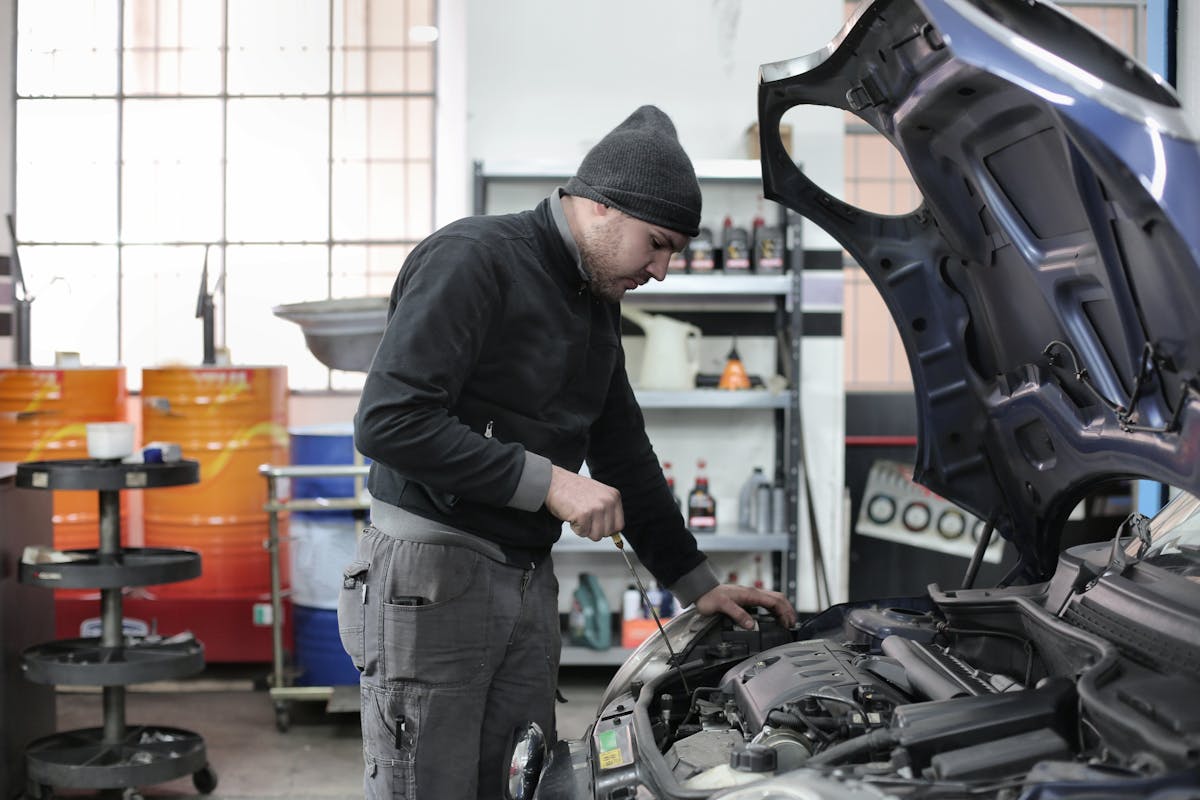
When a customer returns with a problem — whether it is a vibration after a balance, a slow leak, or a noise complaint — the first 30 seconds of the conversation determine whether you keep or lose that customer.
The right approach: listen fully without interrupting, acknowledge the inconvenience, take ownership even if you are not sure it is your fault yet, and immediately offer to inspect the vehicle. Never argue with a customer in the lobby. Never blame the customer. Never make them feel stupid for coming back.
The cost of fixing a legitimate comeback is almost always less than the cost of losing that customer. A customer who spends $600/year on tires and services is worth $6,000 over a decade. Eating the cost of a $50 rebalance or a $30 patch to keep that customer is always the right business decision.
5. Tracking Comebacks to Find Patterns
Track every comeback by type, by tech, and by service. If one technician has significantly more comebacks than others, that is a training issue. If a specific service (like flat repairs) has a high comeback rate, that is a process issue. If a particular tire brand has frequent warranty claims, that is a vendor issue.
Owners will not pay any fees for accepting credit cards anymore with Shop Profits, and the platform also tracks service history and comeback rates by technician and service type. This data lets you identify and fix the root causes of comebacks instead of just reacting to each one individually.

Protect Your Shop and Your Customers
Shop Profits gives you the documentation, tracking, and service history tools to handle warranty claims professionally and prevent costly comebacks. Better systems mean fewer problems and more profit.
Ready to Stop Leaving Money on the Table?
Shop Profits is the all-in-one platform built for tire shop owners — invoicing, inventory tracking, employee management, AI coaching, and customer CRM all from your phone. Join thousands of smart shop owners who are working less and earning more.
Join LTSOA today for exclusive member rates, industry resources, and a community of owners who get it.
Info@ltsoa.com | 888-756-9995
¿Listo para Dejar de Perder Dinero?
Shop Profits es la plataforma todo-en-uno creada para dueños de talleres de llantas — facturación, inventario, gestión de empleados, coaching con IA y CRM de clientes, todo desde tu teléfono.
Únete a LTSOA hoy para tarifas exclusivas, recursos de la industria y una comunidad de dueños que entienden tu negocio.
Info@ltsoa.com | 888-756-9995