

“January and February used to terrify me. Revenue would drop 40% from December. I would lay off a tech, cut hours, and just try to survive until spring. Then I learned how to plan for it.”
Every tire shop experiences seasonal demand swings. The fall rush for winter tires, the spring surge for all-season replacements, and the painful slow months in between. Most shop owners accept this cycle as inevitable and ride the ups and downs without a strategy. But the smartest owners plan for seasonality and build revenue streams that smooth out the valleys.
The key is understanding that seasonal slowdowns are not surprises — they are predictable. If you know January will be slow, you can prepare in November. If you know October will be busy, you can staff up in September. Shop Profits gives you the historical sales data and forecasting tools to see these patterns clearly, so you can plan proactively instead of reacting to empty bays.
1. Map Your Seasonal Revenue Pattern
Pull 12 months of sales data and chart your monthly revenue (Shop Profits does this automatically). Most tire shops see a pattern like this: strong September through November (fall tire change), decent December, slow January through March, building April through June (spring replacement), moderate July and August. Your specific pattern depends on your climate, customer mix, and services offered.
Once you can see the pattern, you can plan for it. Set aside a percentage of your peak-month revenue to create a cash reserve that covers the slow months. If your average slow-month revenue is 60% of your peak months, you need a reserve that covers the 40% gap in revenue for 2-3 months.
2. Build Maintenance Revenue for Slow Months
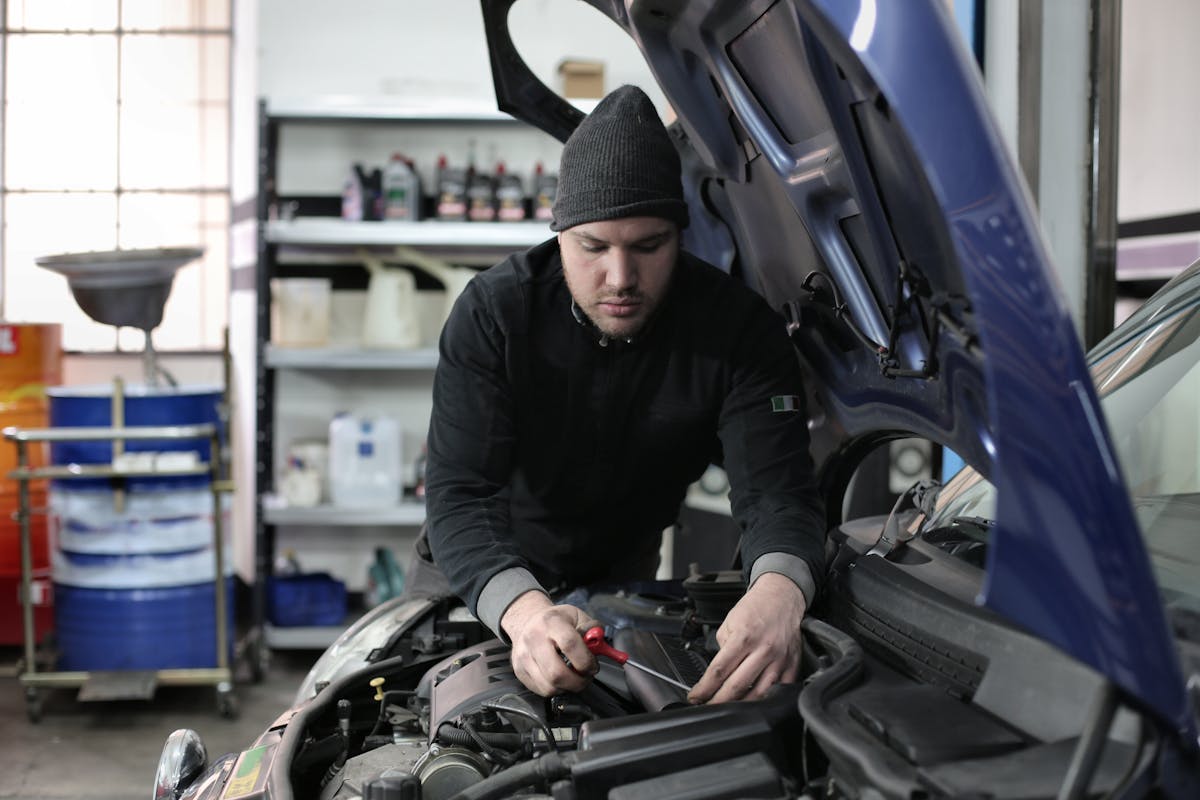
Tire sales are seasonal, but vehicle maintenance is not. Cars need oil changes, brake service, fluid flushes, and inspections year-round. If your shop only sells tires, you are leaving money on the table during slow months and missing a major revenue opportunity.
Add maintenance services that your team can perform: alignments, brake jobs, oil changes, fluid services, and state inspections. These services fill bays during slow months and create customer touchpoints that lead to future tire sales. A customer who comes in for an oil change in January is a customer who remembers you when they need tires in April.
Shop Profits already seamlessly runs the cards and tracks service history by customer, making it easy to send targeted maintenance reminders. “It has been 6 months since your last tire rotation — schedule yours today” is a simple message that drives revenue in any season.
3. Seasonal Promotions That Work
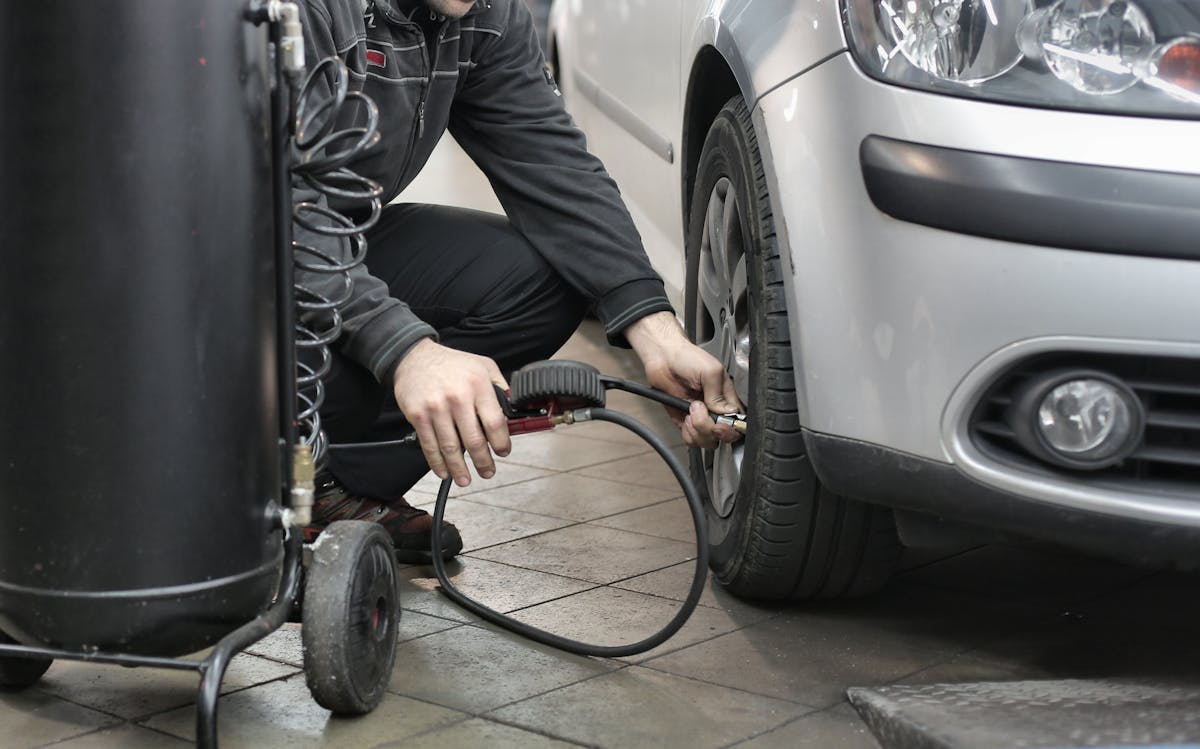
Run promotions strategically to pull demand into slow periods. A “Pre-Season Tire Sale” in early September catches customers before the fall rush. A “Winter Readiness Package” in January bundles a tire inspection, rotation, and brake check at a discounted price. A “Spring Road Trip Special” in March drives pre-vacation tire purchases.
The key is offering real value, not just discounts. Bundling services creates a higher-ticket sale at a lower perceived price. “Buy four tires and get a free alignment” is more compelling than “10% off tires” — and the alignment only costs you $30-$40 in labor while adding $300+ to the ticket.
4. Fleet Accounts Smooth the Cycle
Fleet accounts are the ultimate antidote to seasonal revenue swings. Commercial vehicles need tires, maintenance, and emergency service year-round regardless of season. A strong fleet portfolio can provide 30-50% of your monthly revenue on a consistent, predictable basis.
Use your slow months to prospect for fleet accounts. Visit local businesses, offer free fleet tire audits, and build relationships with fleet managers. The effort you invest in January pays dividends every month for years to come.
5. Cash Management Through the Cycle
The biggest financial mistake during peak months is spending like the good times will last forever. When October revenue hits $120,000, it is tempting to buy new equipment, give bonuses, or take a big owner draw. But if January revenue drops to $65,000 and you still have $90,000 in monthly expenses, you are in trouble.
Set up a seasonal reserve account. During peak months, deposit 15-20% of gross revenue into this reserve. During slow months, draw from it to cover the gap. This simple discipline eliminates the cash crunch that forces owners to make desperate decisions like laying off good techs or cutting marketing.
Owners will not pay any fees for accepting credit cards anymore with Shop Profits, which means more of your peak-season revenue makes it to the bank — giving you a bigger reserve to smooth out the slow months.

Plan for Seasonality, Profit Year-Round
Shop Profits gives you the data and tools to forecast seasonal demand, build maintenance revenue, and manage cash flow through every month of the year. Stop surviving slow months and start planning for them.
Ready to Stop Leaving Money on the Table?
Shop Profits is the all-in-one platform built for tire shop owners — invoicing, inventory tracking, employee management, AI coaching, and customer CRM all from your phone. Join thousands of smart shop owners who are working less and earning more.
Join LTSOA today for exclusive member rates, industry resources, and a community of owners who get it.
Info@ltsoa.com | 888-756-9995
¿Listo para Dejar de Perder Dinero?
Shop Profits es la plataforma todo-en-uno creada para dueños de talleres de llantas — facturación, inventario, gestión de empleados, coaching con IA y CRM de clientes, todo desde tu teléfono.
Únete a LTSOA hoy para tarifas exclusivas, recursos de la industria y una comunidad de dueños que entienden tu negocio.
Info@ltsoa.com | 888-756-9995